

Most people have heard that they should see the dentist every 6 months. That is a useful general guideline, but it is not the right interval for everyone.
Some patients can comfortably follow six-month reviews, while others benefit from more frequent visits because of gum disease, repeated decay, braces, grinding, or medical factors.
Why check-ups matter
- Small cavities can be detected before they become painful
- Gum inflammation can be treated before bone loss starts
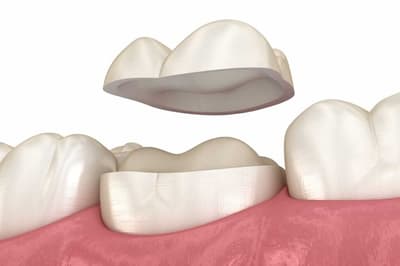
- Wear, cracks, and bite issues can be monitored early
- Old fillings and crowns can be checked before they fail
Preventive visits are usually simpler, less invasive, and more cost-effective than delayed treatment.
Who may need visits every 6 months?
Many adults and children with relatively stable oral health do well with a review and cleaning every 6 months. This helps maintain routine prevention and gives the dentist a chance to catch changes early.
Who may need more frequent visits?
- Patients with active or previous gum disease
- People who accumulate tartar quickly
- Those with braces, aligners, or complex restorations
- Patients with dry mouth, frequent cavities, or smoking habits
- People with diabetes or other systemic conditions affecting oral health
In such cases, 3- or 4-month maintenance visits may be more appropriate.
What happens at a check-up?
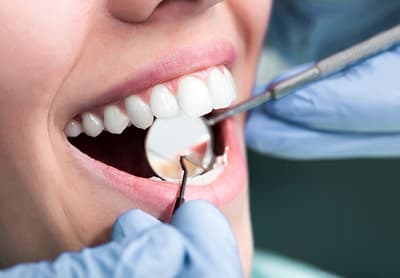
A proper dental review is more than “just looking at the teeth.” It may include cavity checks, gum evaluation, bite assessment, review of existing restorations, oral cancer screening, and X-rays when needed.
If a cleaning is required, it is often combined with the review so that both prevention and diagnosis are covered in the same visit.
Conclusion
There is no single schedule that fits everyone. Six-month check-ups are a good starting point, but your actual ideal recall interval depends on your risk, habits, and dental history.
If you are unsure how often you should schedule your next review in Nallagandla, visit Zen Dental Studio. We will assess your needs and recommend a preventive plan that is realistic and effective for the long term.
Frequently Asked Questions
Six months is a common guideline, but some patients may need shorter intervals and a few low-risk patients may be advised differently based on clinical findings.
Waiting for pain usually means the problem is already more advanced. Preventive reviews are designed to find issues before they become symptomatic.
Yes. Children benefit from regular reviews for cavity prevention, eruption monitoring, and guidance on hygiene and diet.