Quick answer
Broken tooth treatment in Hyderabad depends on the damage: bonding or fillings for small chips, veneers for front teeth, crowns or onlays for larger breaks, root canal for nerve damage, and implants or bridges if the tooth cannot be saved. Rinse with warm water, save the fragment, and see a dentist quickly. A broken tooth cannot heal on its own, and cost varies by treatment.
In this article
- What Is the Best Treatment for a Broken Tooth?
- What Should You Do Immediately After Breaking a Tooth?
- Broken Tooth Treatment Options in Hyderabad
- Dental Bonding for Small Broken Teeth
- Dental Fillings for Minor Damage
- Dental Veneers for Chipped Front Teeth
- Dental Crowns for Large Fractures
- Inlays and Onlays for Moderate Damage
- Root Canal Treatment for Deep Cracks
- Tooth Extraction and Replacement Options
- When to Visit an Emergency Dentist in Hyderabad
- How Much Does Broken Tooth Treatment Cost in Hyderabad?
- How to Prevent a Broken Tooth
- Can a Broken Tooth Heal on Its Own?
- Final Thoughts
- Frequently asked questions
Broken tooth treatment in Hyderabad depends on the size, location, and depth of the damage. A small chip can often be repaired with dental bonding or a filling, while a larger fracture may require a veneer, crown, root canal, or extraction followed by a dental implant or bridge. Seeing a dentist early gives you the best chance of saving your natural tooth.
A broken tooth should never be ignored. Even if it does not hurt immediately, the damage can worsen, expose the inner nerve, cause infection, or lead to a complete fracture. Early dental treatment protects the remaining tooth structure and prevents more complex procedures later.
What Is the Best Treatment for a Broken Tooth?
The best treatment for a broken tooth is the one that preserves as much healthy tooth structure as possible while protecting it from further damage. Your dentist will recommend treatment after examining the tooth and taking an X-ray if needed.
Common treatment options include:
- Dental bonding for small chips and minor cracks
- Composite filling for small areas of lost tooth structure
- Veneer for chipped front teeth
- Inlay or onlay for moderate damage
- Dental crown for large fractures or weakened teeth
- Root canal treatment when the nerve or pulp is affected
- Tooth extraction and implant or bridge when the tooth cannot be saved
The right option depends on whether the break affects only the enamel, reaches the dentin, exposes the nerve, or extends below the gum line.
What Should You Do Immediately After Breaking a Tooth?
If you break a tooth, rinse your mouth gently with warm water, save any broken fragment, and apply a cold compress to reduce swelling. Then contact an emergency dentist in Hyderabad as soon as possible.
Follow these steps until you reach the dental clinic:
- Rinse your mouth gently with warm water.
- Save any broken tooth piece in milk, saline, or a clean container.
- Apply a cold compress outside the cheek for 10–15 minutes.
- Avoid chewing on the broken tooth.
- Avoid very hot, cold, sweet, hard, or sticky foods.
- Use dental wax or sugar-free gum temporarily only if a sharp edge is cutting your tongue or cheek.
- Do not place aspirin or any painkiller tablet directly on the gum, as it can burn the tissue.
Seek urgent dental care if you have severe pain, bleeding, swelling, a loose tooth, or a broken tooth with a sharp edge.
Broken Tooth Treatment Options in Hyderabad
Type of Tooth Damage | Recommended Treatment | Best For |
| Small enamel chip | Dental bonding or composite filling | Minor chips with no nerve exposure |
| Cosmetic front-tooth damage | Dental veneer | Chipped front teeth where appearance matters |
| Moderate tooth damage | Inlay, onlay, or crown | Teeth with enough healthy structure remaining |
| Large fracture or cracked cusp | Dental crown | Protecting a weakened tooth from further cracking |
| Deep crack or nerve exposure | Root canal treatment followed by a crown | Severe pain, infection, or prolonged sensitivity |
| Tooth split below the gum line | Extraction followed by implant or bridge | Teeth that cannot be restored |
Dental Bonding for Small Broken Teeth
Dental bonding is usually the quickest and most conservative treatment for a small broken tooth. The dentist applies tooth-coloured composite resin, shapes it to match your natural tooth, and hardens it using a special curing light.
Bonding is commonly used for:
- Small chips on front teeth
- Minor cracks
- Small missing corners
- Repairing worn or damaged edges
- Closing small gaps
The procedure is usually completed in one visit and does not require major tooth reduction. However, bonding may not be strong enough for large fractures or teeth that experience heavy biting pressure.
Dental Fillings for Minor Damage
A dental filling can restore a tooth when a small portion breaks due to decay or minor trauma. The dentist removes any decayed or weakened area and fills it with a durable tooth-coloured material.
Composite fillings are the most common choice because they blend naturally with the tooth. Fillings work best when the damage is limited and the remaining tooth structure is strong.
Dental Veneers for Chipped Front Teeth
A dental veneer is a thin porcelain or composite shell bonded to the front surface of a tooth to improve its shape, colour, and appearance. Veneers are an excellent option for chipped front teeth when the damage is mainly cosmetic.
Veneers are suitable for:
- Chipped front teeth
- Slightly uneven teeth
- Discoloured teeth
- Small gaps
- Teeth with minor shape irregularities
A veneer requires healthy enamel and sufficient remaining tooth structure. It is not the best option for a severely broken tooth, a tooth with decay, or a tooth that needs a root canal.
Dental Crowns for Large Fractures
A dental crown is the preferred treatment when a large portion of the tooth is broken or at risk of splitting. A crown covers the entire visible part of the tooth, restoring strength, shape, and chewing function.
A dentist may recommend a crown if:
- A large part of the tooth has broken
- The tooth has a large filling
- The tooth has undergone root canal treatment
- The tooth is cracked and at risk of further fracture
- A filling or onlay cannot provide enough support
Common crown materials include:
- Zirconia crowns: Strong, durable, and natural-looking
- Porcelain or ceramic crowns: Highly aesthetic, often used for front teeth
- PFM crowns: Porcelain-fused-to-metal crowns that combine strength and appearance
- Metal crowns: Very durable but less natural-looking
A crown protects the remaining tooth and reduces the chance of the crack spreading.
Inlays and Onlays for Moderate Damage
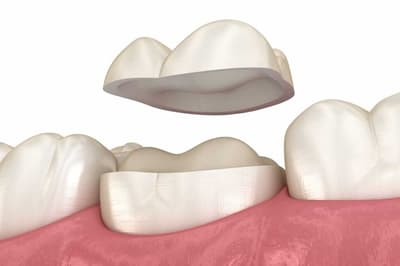
An inlay or onlay is a custom-made restoration used when the tooth is too damaged for a filling but does not require a full crown. An inlay fits within the tooth, while an onlay covers one or more chewing cusps.
These restorations are usually made from porcelain, ceramic, or composite material. They preserve more natural tooth structure than a crown while providing stronger protection than a regular filling.
Root Canal Treatment for Deep Cracks
A root canal is needed when a broken tooth exposes or damages the pulp, which contains the tooth’s nerves and blood vessels. During root canal treatment, the dentist removes the infected or inflamed pulp, cleans and seals the root canals, and restores the tooth with a filling or crown.
You may need a root canal if you have:
- Severe or throbbing tooth pain
- Pain while biting or chewing
- Prolonged sensitivity to hot or cold
- Swelling near the tooth
- A bad taste in the mouth
- Pus or signs of infection
- A darkened tooth after trauma
A crown is usually placed after root canal treatment because a root-treated tooth can become brittle and is more likely to fracture without full protection.
Tooth Extraction and Replacement Options
Tooth extraction is necessary only when the tooth is too damaged to restore. This may happen if the fracture extends below the gum line, splits the tooth, or damages the root.
After extraction, your dentist may recommend:
- Dental implant: A titanium post replaces the tooth root, followed by a crown. It is often the best long-term option for replacing a single missing tooth.
- Dental bridge: A fixed restoration supported by neighbouring teeth.
- Removable partial denture: A more affordable replacement option for one or more missing teeth.
Replacing a missing tooth is important because gaps can cause nearby teeth to shift, affect chewing, and change your bite over time.
When to Visit an Emergency Dentist in Hyderabad
Visit an emergency dentist in Hyderabad the same day if your broken tooth causes severe pain, swelling, bleeding, sensitivity, or difficulty chewing. Prompt treatment can prevent infection and improve the chances of saving the tooth.
Seek emergency dental care if you notice:
- Severe or worsening tooth pain
- Facial or gum swelling
- Bleeding that does not stop
- A tooth that feels loose
- A sharp edge cutting your tongue or cheek
- Sensitivity to hot or cold
- Pain while biting
- Pus, bad taste, or signs of infection
- Fever along with dental pain
If you have facial swelling, fever, difficulty swallowing, or trouble breathing, seek urgent medical care immediately. These may be signs of a spreading dental infection.
How Much Does Broken Tooth Treatment Cost in Hyderabad?
The cost of broken tooth treatment in Hyderabad depends on the type of treatment, materials used, clinic location, dentist’s experience, and whether additional procedures are required. Bonding and fillings are usually the most affordable options, while root canal treatment with a crown, veneers, and dental implants cost more.
Before treatment, ask your dental clinic for a written estimate that includes:
- Consultation and X-ray charges
- Type of restoration or crown material
- Number of visits required
- Root canal cost, if needed
- Follow-up appointments
- Any additional procedures
Avoid choosing treatment only based on the lowest price. The best value comes from a durable, properly diagnosed restoration that protects the tooth long term.
How to Prevent a Broken Tooth
You can reduce the risk of breaking a tooth by avoiding hard objects, treating dental problems early, and wearing protection during sports or teeth grinding. Regular dental check-ups help detect weak fillings and small cracks before they become serious fractures.
Preventive tips include:
- Avoid biting ice, pens, hard candy, or very hard foods
- Do not use your teeth to open bottles or packets
- Wear a mouthguard while playing sports
- Use a night guard if you grind or clench your teeth
- Treat cavities and damaged fillings early
- Visit your dentist for regular check-ups and cleanings
Can a Broken Tooth Heal on Its Own?
No, a broken tooth cannot heal on its own. Tooth enamel and dentin do not regenerate once they are damaged. A dentist must restore the tooth to prevent sensitivity, decay, infection, and further fracture.
Even a small chip should be checked by a dentist because what looks minor on the surface may sometimes involve a deeper crack.
Final Thoughts
The best broken tooth treatment in Hyderabad depends on the extent of the damage. Small chips can often be restored with bonding or a filling, while larger fractures may need a veneer, crown, root canal, or implant-supported replacement.
Do not delay treatment. A dentist can assess the tooth, relieve pain, prevent infection, and recommend the most suitable option to restore your smile and chewing function. Early care often means a simpler treatment, lower cost, and a better chance of saving your natural tooth.
Frequently Asked Questions
Can a broken tooth be fixed without extraction?
Yes, most broken teeth can be fixed without extraction. Dentists can restore them using bonding, fillings, veneers, inlays, onlays, crowns, or root canal treatment. Extraction is usually needed only when the tooth is severely split or fractured below the gum line.
Is a broken tooth a dental emergency?
A broken tooth is a dental emergency if it causes severe pain, swelling, bleeding, nerve exposure, or signs of infection. Even a painless chip should be examined promptly because cracks can worsen over time.
Can a dentist fix a broken tooth in one visit?
Yes, small chips can often be repaired in one visit using dental bonding or a filling. Larger fractures may need multiple visits, especially if a crown, root canal, veneer, or implant is required.
What is the strongest treatment for a broken back tooth?
A dental crown is usually the strongest treatment for a significantly broken back tooth. It covers and protects the entire tooth, making it suitable for teeth that handle heavy chewing pressure.
Will a broken tooth always need a root canal?
No, not every broken tooth needs a root canal. A root canal is required only when the crack or fracture reaches the pulp or causes infection. Many minor breaks can be treated with bonding, a filling, veneer, onlay, or crown.
Can I wait if my broken tooth does not hurt?
No, you should not wait even if the broken tooth does not hurt. The damage may progress, bacteria can enter the tooth, and a small crack can become a major fracture that requires more extensive treatment.
How long does a broken tooth repair last?
The lifespan of a broken tooth repair depends on the treatment and oral care. Bonding may last several years, while crowns, veneers, and implants can last much longer with good oral hygiene and regular dental check-ups.