
Dental implants are a long-term solution for replacing missing teeth. Because they integrate with the jawbone, they can feel stable and natural compared with removable options.
Understanding each stage — before, during, and after implant placement — helps patients feel more confident and prepared.
Before implant surgery
- Clinical examination and digital imaging or CBCT when needed
- Assessment of bone volume, gum health, and bite
- Discussion of medical history, healing capacity, and treatment options
- A step-by-step plan including timeline and temporary teeth if required
During the procedure
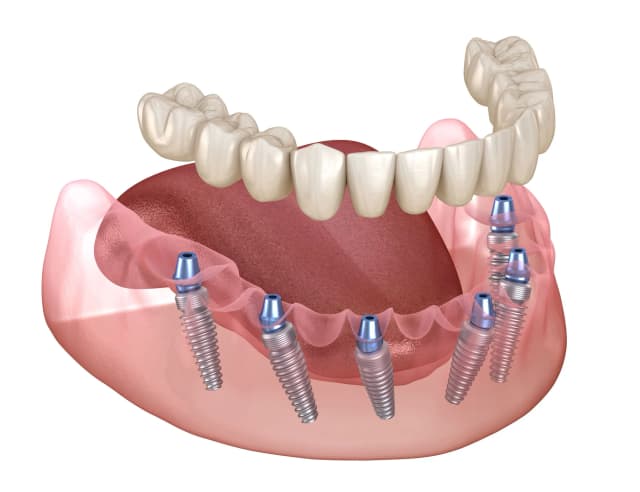
Implant placement is usually done under local anesthesia. The titanium implant is placed into the bone in a controlled position. In many cases it is a minor surgical procedure with a focused recovery period rather than a prolonged hospital stay.
The goal is not just to place an implant, but to place it in the right position for function and aesthetics.
After implant placement
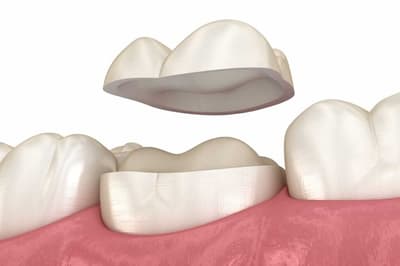
Healing time allows the bone to integrate around the implant. This may take weeks to a few months depending on bone quality and whether immediate loading is possible. After healing, an abutment and custom crown are placed to complete the restoration.
Aftercare for long-term success
- Maintain excellent oral hygiene around the implant
- Attend review visits to monitor gum and bone health
- Avoid smoking, which can affect healing and long-term stability
- Report pain, looseness, or gum swelling early
Conclusion
Implants can offer excellent function and longevity when planned well and maintained properly. The best results come from careful diagnosis, precise placement, and consistent follow-up.
If you are exploring dental implants in Nallagandla, Book Appointment at Zen Dental Studio to understand whether you are a suitable candidate and what timeline fits your case.
Frequently Asked Questions
Most patients report manageable discomfort rather than severe pain, especially when post-operative instructions and medications are followed.
Timelines vary. Some cases allow earlier temporary teeth, while others need a few months for bone integration.
With good care and regular reviews, implants can last many years and often much longer.