Orthodontics
HOME - Treatments - Orthodontics
Braces, aligners, and growth appliances for healthier, straighter smiles.
Straighten Your Smile, Strengthen Your Confidence
Orthodontics focuses on aligning your teeth and jaws to create a balanced, healthy, and beautiful smile. At our dental studio, we offer advanced orthodontic solutions tailored to your lifestyle - from traditional braces to nearly invisible aligners. Whether you-re correcting crowding, spacing, or bite issues, our personalized approach ensures exceptional results that not only enhance your appearance but also improve your overall oral health.
Talk to UsTypes of Orthodontic Treatments
Braces
Braces gradually move teeth into proper alignment using brackets, wires, and bands. They are a reliable and effective option for correcting mild to complex alignment and bite problems.
- Available as traditional metal braces or clear (ceramic) braces
- Suitable for children, teens, and adults
- Provides precise control over tooth movement
Clear Aligners
Clear aligners are a discreet and comfortable alternative to braces. These systems use a series of custom-made, transparent trays that gently shift teeth into position over time.
- Nearly invisible and removable
- Changed every one to two weeks as teeth move
- Allows easier eating, brushing, and flossing
Retainers
Retainers are used after active orthodontic treatment to maintain the corrected tooth position.
- Prevent teeth from shifting back after braces or aligners
- Custom-made for a comfortable fit
- Worn as advised to preserve long-term results
Myofunctional Therapy
Myofunctional therapy focuses on correcting oral muscle function to support healthy jaw development, breathing, and long-term orthodontic stability.
- Improves tongue posture, swallowing, and breathing patterns
- Helps prevent orthodontic relapse by addressing the root cause
- Beneficial for children during growth and adults seeking stable, long-lasting results
Orthodontic Treatments We Offer
From gentle care to expert advice, we-re dedicated to helping you smile brighter every day.
Orthodontic braces
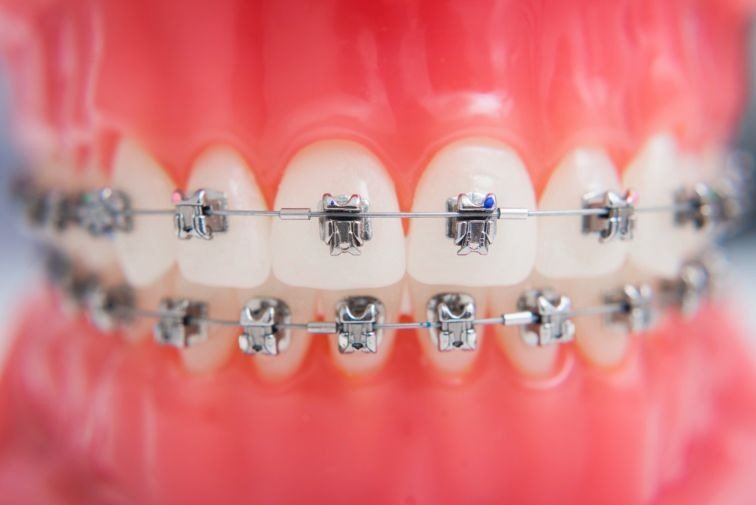
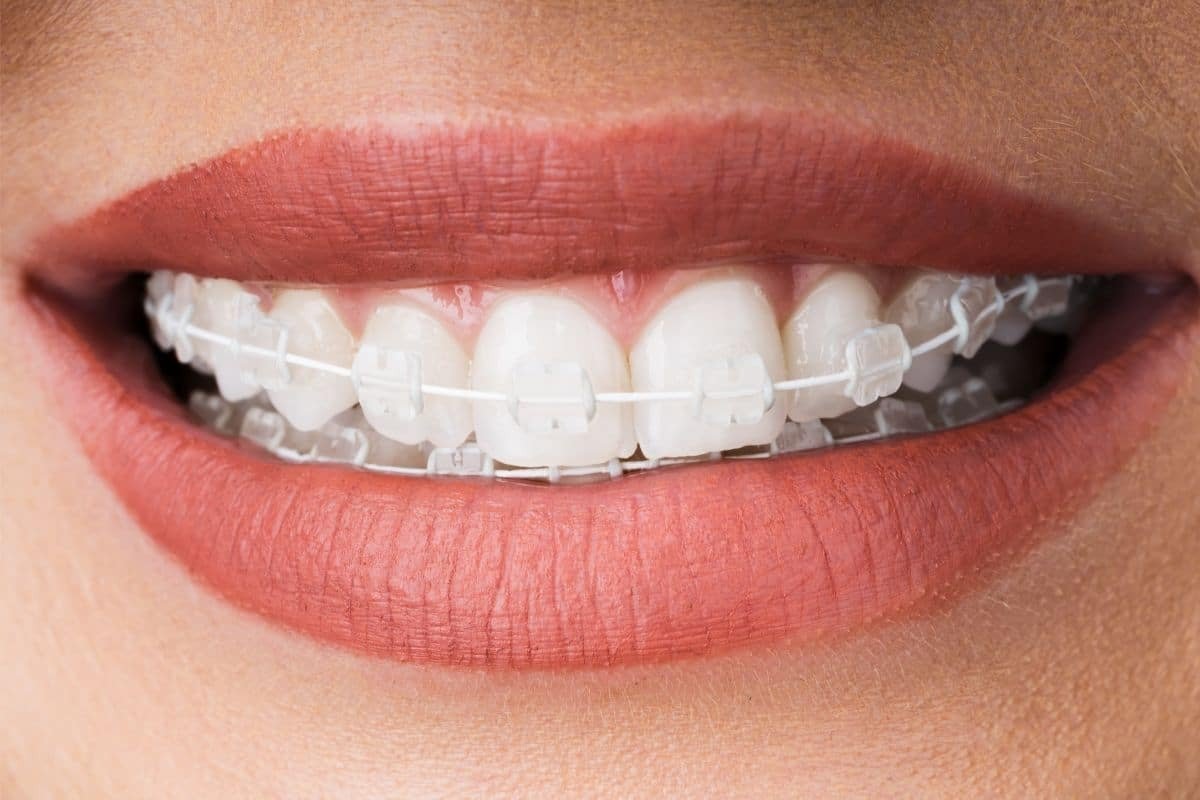
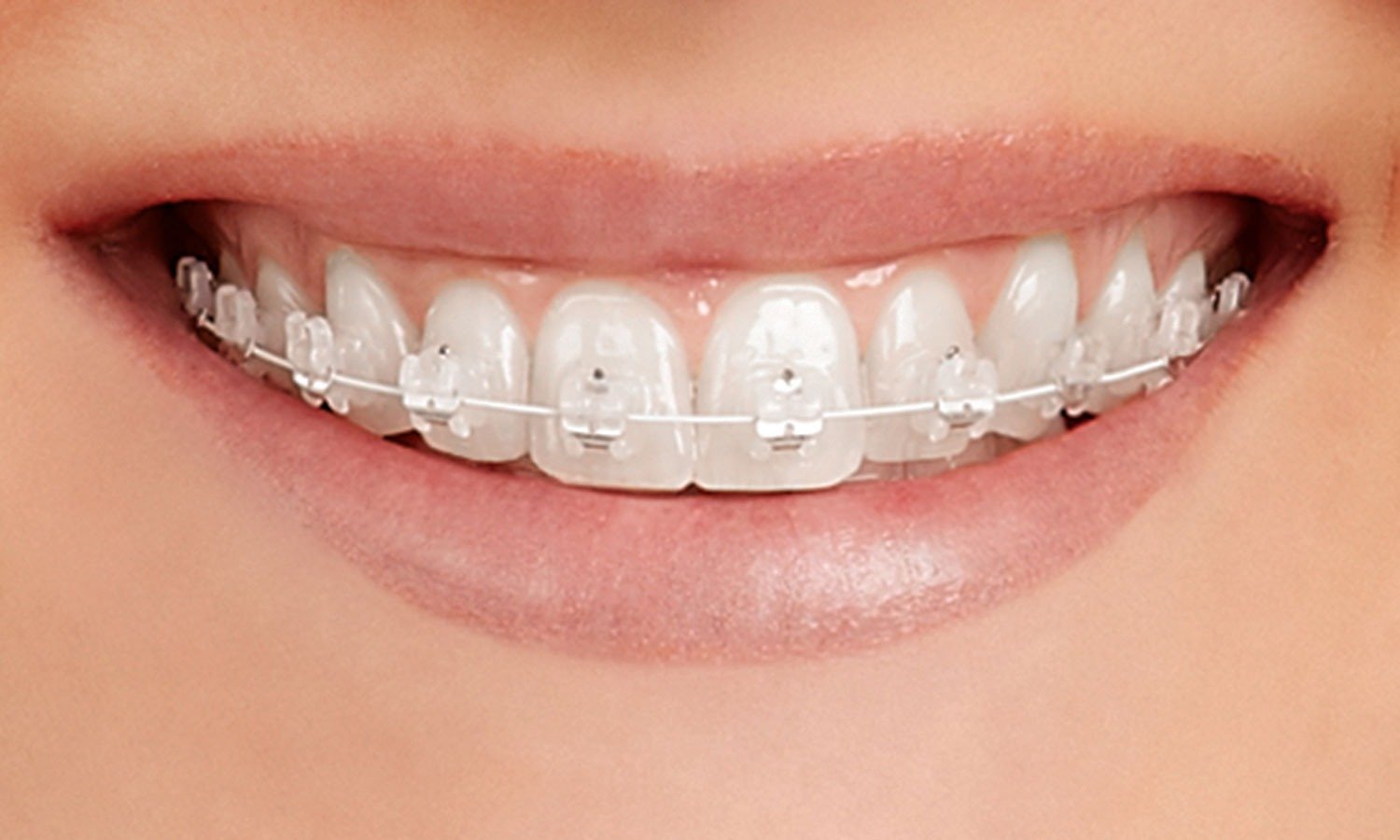
Braces are one of the most reliable and time-tested orthodontic treatments for correcting crooked, crowded, or misaligned teeth. Braces work by applying gentle, continuous pressure to gradually move teeth into their correct position. They are highly effective for treating spacing issues, crowding, and bite correction. If you have been searching for Teeth Braces Near Me, walk into Zen Dental Studio today for effective orthodontic treatments that just make sense!
Types of Orthodontic braces
- Conventional Metal Braces - Durable and cost-effective, with a long history of predictable results
- Conventional Ceramic Braces - Tooth-coloured brackets that blend in with the teeth for a more discreet appearance
- Self-Ligating Metal Braces - Use a built-in clip instead of elastic ties to secure the wire. This allows smoother tooth movement, improved comfort, easier cleaning, and fewer adjustment visits in many cases.
- Self-Ligating Ceramic Braces - A more aesthetic option that combines discretion with advanced technology
Braces Comparison
| Feature | Conventional Braces | Self-Ligating Braces |
|---|---|---|
| Wire holding | Elastic / metal ties | Built-in clip |
| Comfort | Moderate | More comfortable |
| Appointments | More frequent | Fewer |
| Cleaning | Slightly difficult | Easier |
| Cost | More affordable | Higher |
| Effectiveness | Excellent | Excellent |
At Zen Dental Studio, clear aligners offer a modern approach to orthodontic care-using precision planning and custom-designed aligners to gradually straighten teeth without fixed metal braces.
This treatment is suited for patients who want predictable alignment correction while maintaining comfort in their daily routine.
What Are Clear Aligners?
Clear aligners are a series of custom-made, transparent trays that gently guide teeth into healthier, more balanced positions over time.
Each aligner is worn for 20-22 hours a day and replaced every 1-2 weeks, allowing controlled, step-by-step tooth movement. They are removable, smooth, and designed to fit comfortably over your teeth.
Digitally Planned Treatment
Clear aligner therapy relies on accurate diagnosis and detailed digital planning. To plan your treatment precisely, we create a complete digital model of your teeth using our intraoral scanner and bite records. These allow us to:
- Analyse alignment and jaw relationships
- Plan tooth movement in stages
- Predict treatment progress and outcomes
- Design a plan specific to your dental needs
This planning ensures that tooth movement is controlled, efficient, and biologically safe.
Clear Aligner Treatment Workflow at Zen Dental Studio
Consultation
A detailed discussion to understand your concerns, expectations, and suitability for aligner therapy.
Comprehensive Assessment
Includes clinical examination, photographs, X-rays, and digital scanning when required.
Digital Treatment Planning
A step-by-step plan outlining tooth movement and treatment duration is created and reviewed.
Aligner Fabrication
Your personalised series of aligners is manufactured based on the approved plan.
Attachment Placement (If Required)
Tooth-coloured attachments are placed to assist with planned movements.
Progress Monitoring
Check-ups are scheduled every 6-8 weeks to ensure treatment stays on track.
What to Expect During Treatment
- Aligners worn 20-22 hours daily
- New aligners changed every 1-2 weeks
- Mild pressure during aligner changes is normal
- Treatment duration typically 6-18 months
- Consistent wear is essential for predictable results
- Retainers are required after treatment
Clear aligners

Digital Scanning & Records
When digital scans are required, we arrange high-precision intraoral scanning through advanced digital systems to capture an accurate 3D image of your teeth.
- Replaces traditional impressions
- Takes only a few minutes
- Provides highly accurate records for aligner fabrication
We can show you a digital treatment simulation, allowing you to visualise how your teeth will move and what your final smile outcome is expected to look like-before treatment even begins.
Attachments and Their Role
Aligner treatments require small, tooth-coloured attachments placed on selected teeth. These attachments help:
- Improve aligner grip
- Guide specific tooth movements
- Enhance the accuracy of treatment
Attachments are temporary, minimally noticeable, and removed at the end of treatment.
Benefits of Clear Aligners
- Clear, low-profile aligners
- Comfortable, irritation-free material
- Removable for eating and oral hygiene
- No wires or brackets
- Digitally planned treatment pathway
- Fewer adjustment visits than fixed braces
- Improved oral hygiene and long-term dental health
Invisalign
Why We Use Invisalign Clear Aligners
When it comes to clear aligner treatment, predictability and safety matter as much as aesthetics. That-s why we choose Invisalign, one of the most trusted and extensively researched aligner systems worldwide.
Backed by the Largest Clinical Database
Invisalign treatment planning is powered by one of the largest orthodontic databases in the world, built from millions of treated cases. This data-driven approach allows us to:
- Plan tooth movement more accurately
- Anticipate complex movements better
- Reduce unwanted or unpredictable shifts
- Achieve more consistent final outcomes
The more data a system learns from, the more precise and reliable the treatment becomes.
- Thoughtful, diagnosis-driven planning
- Ethical and transparent treatment processes
- Individualised care rather than mass-market orthodontics
- Focus on stability, comfort, and long-term outcomes
At Zen Dental Studio, we believe orthodontic care should be planned carefully, delivered calmly, and designed to last.
A Safer, More Reliable Clear Aligner Choice
While many clear aligners look similar, not all are supported by the same level of research, technology, and clinical evidence. Invisalign-s extensive data and precision planning make outcomes more predictable, especially in moderate to complex cases.
FAQ's for Clear Aligners
You may experience mild pressure when starting a new aligner. This usually settles within a day or two.
Aligners must be worn for 22-24 hours per day for effective results.
Most patients change aligners every 1-2 weeks, as prescribed.
Clean daily with lukewarm water, a soft toothbrush with approved aligner cleaners.
Appointments are typically scheduled every 6-8 weeks.
Clear aligners may be suitable for teenagers depending on dental development and compliance.
Yes. Retainers are essential to maintain tooth position after aligner therapy.
At Zen Dental Studio, orthodontics goes beyond just aligning teeth.
We use advanced diagnostic tools like OPG, lateral cephalogram, CBCT, and 3D intraoral scanning for precise and comprehensive analysis.
Our approach focuses not only on teeth, but also on TMJ health, airway evaluation, and overall facial harmony. We combine orthodontic treatment with functional therapy and guided exercises for a more holistic and long-lasting outcome.
Myofunctional Therapy - Strengthen Your Smile and Health
Myofunctional therapy is a specialized treatment that retrains the muscles of the tongue, lips, cheeks, and throat using customized devices and structured exercises. These exercises improve:
- Nasal breathing
- Tongue posture
- Chewing patterns
- Swallowing mechanics
- Speech clarity
Signs & Conditions Myofunctional Therapy Can Help With
1. Sleep-Related Issues
Weak tongue posture and low muscle tone can contribute to snoring or sleep-disordered breathing. Therapy strengthens muscles to maintain a healthy airway during sleep.
2. Orthodontic Problems & Relapse
Poor oral posture is a common cause of crooked teeth. Retraining muscles helps maintain orthodontic results and improves long-term stability.
3. Tongue Thrusting & Swallowing Issues
Therapy guides the tongue to rest and move correctly, reducing pressure on teeth and supporting clearer speech.
4. Chronic Mouth Breathing
Encourages nasal breathing, which improves oral health, oxygenation, and facial development.
5. Speech Difficulties
Weak or improperly functioning oral muscles can cause lisps or sound distortions. Therapy strengthens and coordinates muscles for improved speech clarity.
6. Adults
Adults with sleep issues, TMJ discomfort, or oral habits can also benefit.
How Myofunctional Therapy Works
Treatment begins with a detailed functional evaluation of breathing patterns, tongue posture, swallowing mechanics, and muscle strength.
Based on the evaluation, a customized program may include:
- Tongue Strengthening Exercises: Improve tone, posture, and mobility for proper swallowing and airway support.
- Nasal Breathing Training: Shift from mouth breathing to nasal breathing, improving oxygen levels and reducing dryness.
- Chewing & Swallowing Retraining: Harmonize tongue and facial muscles to support teeth and jaw growth.
- Oral & Body Posture Alignment: Correct head, neck, and tongue posture to support optimal facial and oral development.
Sessions can be conducted in-clinic or virtually, with consistent follow-ups to monitor progress and adjust the program as needed.
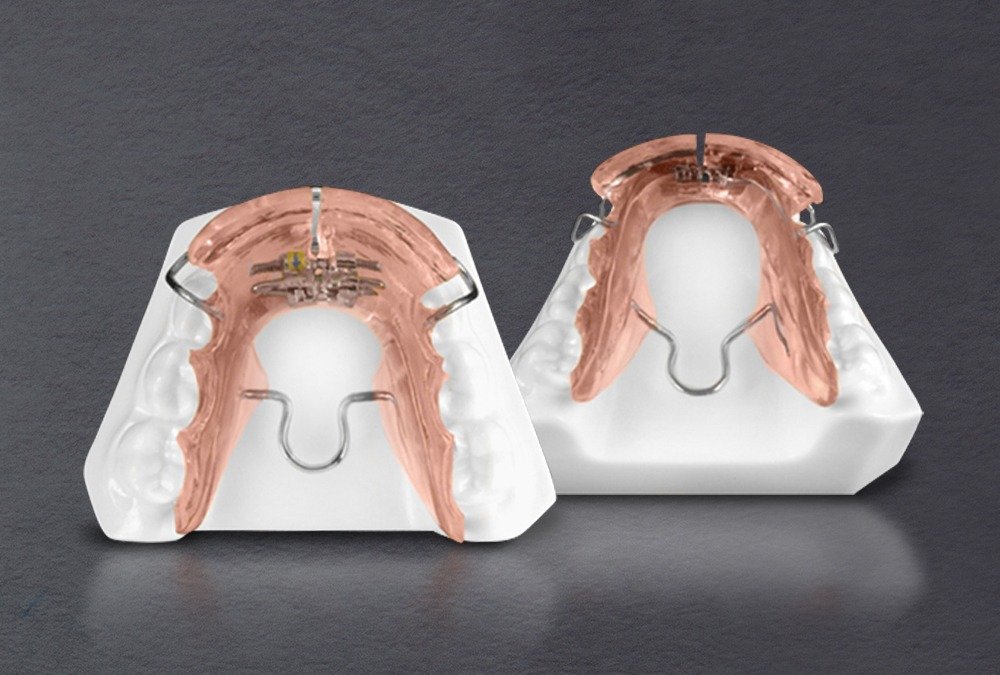
Common Myofunctional & Growth Appliances
Jaw Growth & Positioning Appliances (guide jaw development and improve airway space)
1. Bionator
Guides forward positioning of the lower jaw, supports balanced facial growth, and helps maintain a more open airway during growth.
2. Twin Block
Encourages forward growth of the lower jaw, improves jaw harmony, and supports airway function-especially useful during growth spurts.
3. Frankel Appliance (Functional Regulator)
Uses muscle forces rather than tooth contact to guide jaw growth and improve muscle balance around the jaws.
4. Activator Appliance
A removable functional appliance that guides jaw positioning and supports harmonious skeletal development.
Palatal & Transverse Expansion Appliances (create space for the tongue and support nasal breathing)
5. Palatal Expansion Appliances
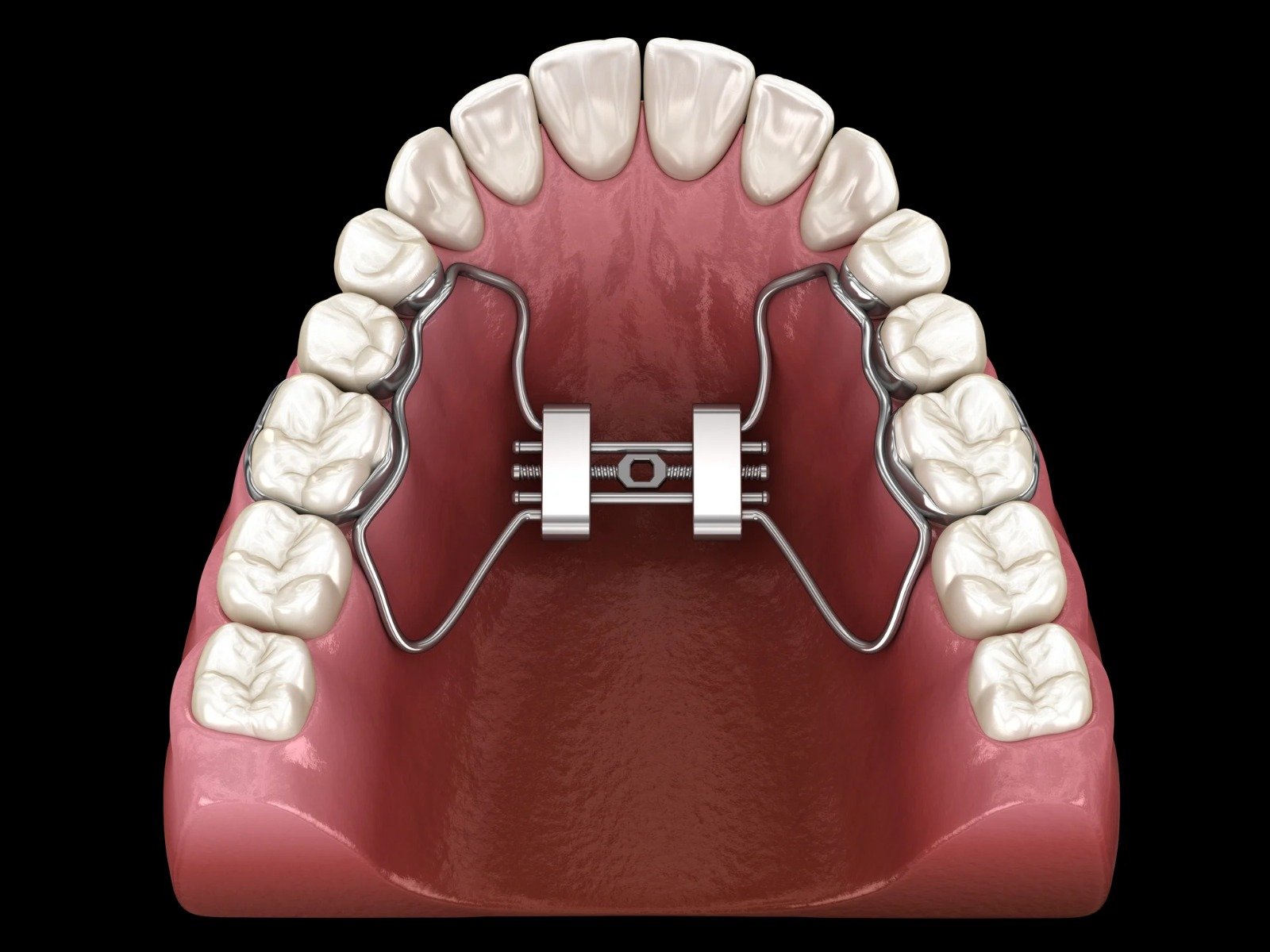
Used to widen a narrow upper jaw, improve nasal airflow, and create space for erupting teeth. Common designs include Bi-Helix / Bi-Point expanders, Quad Helix, and Hyrax or Haas expanders.
Myofunctional Trainers & Habit-Correcting Appliances
6. Myobrace
Corrects mouth breathing, tongue thrusting, poor swallowing patterns, and improper oral posture while supporting jaw development.
7. Trainer for Kids / Pre-Orthodontic Trainers
Helps guide early jaw development, improve muscle balance, and reduce orthodontic problems later.
8. Lingual Trainers / Tongue Positioners
Encourage correct tongue posture at rest and during swallowing, supporting airway and orthodontic stability.
Airway-Focused Functional Appliances
9. Mandibular Advancement Appliances (Airway-Oriented)
Help maintain airway patency during sleep by positioning the lower jaw forward.
10. Sleep-Oriented Functional Appliances (in growing patients)
Designed to support jaw growth while maintaining airway space, often used alongside myofunctional therapy.
Airway and growth appliances
Transform Function. Transform Health.
At Zen Dental Studio, we believe proper muscle function is just as important as healthy teeth. Myofunctional therapy addresses the root causes of oral and airway issues, creating a foundation for long-term wellness.
If you or your child experiences mouth breathing, sleep difficulties, speech issues, or recurrent orthodontic problems, our team will guide you toward the right treatment.
Who Can Benefit?
- Children with developing facial structures
- Teens undergoing orthodontic treatment
- Anyone with mouth breathing, tongue thrusting, or speech concerns
Early treatment helps prevent invasive interventions later in life, while adults often experience improved sleep, reduced strain, and enhanced comfort.
How Myofunctional Therapy Supports Overall Health
- Better Sleep Quality: Clearer airways reduce snoring and sleep interruptions.
- Improved Orthodontic Outcomes: Balanced muscles help maintain teeth alignment and prevent relapse.
- Lower Risk of Cavities & Gum Problems: Nasal breathing reduces dry mouth and promotes oral health.
- Enhanced Speech & Confidence: Strengthened oral muscles improve clarity, articulation, and communication.

FAQ's for Myofunctional
It-s a treatment that retrains the muscles of the tongue, lips, cheeks, and throat to improve breathing, swallowing, chewing, and speech.
Yes, early orthodontic evaluation can be highly beneficial for children. Assessing a child-s teeth and jaw growth at an early age allows orthodontists to identify developing problems such as crowding, jaw discrepancies, or harmful oral habits. Early treatment can guide proper jaw growth, create space for permanent teeth, and reduce the need for more complex treatment later in life.
Children with developing facial structures, teens undergoing orthodontics, adults with sleep issues or TMJ discomfort, and anyone with mouth breathing, tongue thrusting, or speech concerns.
Treatment starts with an evaluation of breathing, tongue posture, and swallowing. A personalized program may include tongue exercises, nasal breathing training, chewing and swallowing retraining, and posture alignment.
No. Early treatment helps children grow properly, but adults can also benefit from improved sleep, breathing, and oral muscle function.
Most patients see improvement in a few weeks, with optimal results over several months depending on age, habit severity, and consistency.
Yes. Correcting oral muscle patterns helps maintain teeth alignment, reduces relapse, and supports long-term stability after braces.
Yes. It is non-invasive, painless, and designed to strengthen muscles without affecting teeth or soft tissues.
Orthodontic Retainers
Orthodontic treatment does not end when braces or clear aligners are removed. Retainers are essential to maintain the results by keeping teeth in their corrected positions and preventing them from shifting back.
Retainers are the final phase of orthodontic care, allowing the teeth, bone, and gums to stabilise and ensuring long-term smile retention. There are two main types: fixed and removable. Removable retainers are usually worn full-time initially and later only at night, while fixed retainers are bonded behind the teeth to provide continuous support. In many cases, long-term or lifelong retainer wear is recommended to prevent relapse.
Proper care is important for retainer effectiveness. Fixed retainers require thorough brushing and flossing, while removable retainers should be cleaned daily with lukewarm water and a soft toothbrush. If a retainer breaks, becomes loose, or is lost, contacting your orthodontist immediately is crucial to avoid unwanted tooth movement.
Talk to UsFAQ's for Retainers
After orthodontic treatment, teeth naturally tend to move back toward their original position. Retainers prevent this relapse by holding teeth in place while the surrounding bone and tissues stabilise.
Most patients are advised to wear retainers full-time initially and then switch to night-time wear. In many cases, especially for adults, wearing retainers long-term or for life is recommended to maintain results.
Fixed retainers are bonded behind the teeth and work continuously without removal. Removable retainers can be taken out for eating and cleaning but require discipline to wear as prescribed.
Removable retainers should be cleaned daily with a toothbrush and lukewarm water. Fixed retainers require careful brushing and flossing around the wire to prevent cavities and gum disease.
Contact your orthodontist immediately. A damaged or missing retainer can allow teeth to shift quickly, potentially reversing treatment progress.
Mild tightness or discomfort is normal initially, especially when switching to night-time wear. If irritation or pain persists, consult your orthodontist for adjustments.
Avoid biting or chewing on retainers, do not chew gum while wearing them, store removable retainers in their case, and always follow your orthodontist-s instructions.
Yes. Regular orthodontic visits ensure the retainer fits well, remains effective, and can be adjusted if needed for comfort and stability.
Reviews
I took my father for finest implant treatment, and Dr Roopa mam explained the whole procedure and planned treatment there itself. Very much satisfied with the approach of Dr Roopa mam, strongly suggest Zen dental studio
Deep Chandu YWant to embrace a confident new look?
Consult a smile design specialist today to learn how this transformative treatment can benefit you!