
Periodontics
HOME - Treatments - Periodontics
Expert gum care to protect your foundation for lifelong oral health.
Protecting the Foundation of Your Smile
Healthy gums are the foundation of every beautiful smile. Periodontics focuses on the prevention, diagnosis, and treatment of gum disease, as well as the maintenance of the supporting structures that keep your teeth healthy and stable. At Zen dental studio, we use advanced technology and gentle, personalized care to restore gum health, prevent bone loss, and protect your natural teeth for life. Looking for a Periodontist Near Me? Visit our dental studio for expert care.
Talk to UsWhat Is Periodontics?
Periodontics is the specialized branch of dentistry dedicated to the health of the gums, bone, and connective tissues that support your teeth. When plaque and bacteria build up beneath the gumline, it can lead to inflammation, infection, and eventually tooth loss if left untreated. Through early detection, precise treatment, and ongoing maintenance, periodontic care helps preserve your natural teeth, supports implant success, and promotes overall oral wellness.
Importance of Periodontal Care?
Prevents and Treats Gum Disease
Early-stage gum disease (gingivitis) can often be reversed with professional care, while advanced gum disease (periodontitis) can be effectively managed to prevent tooth and bone loss.
Protects Your Natural Teeth
Healthy gums are essential for strong teeth. Periodontal treatments strengthen the tissue and bone that hold your teeth in place, helping prevent mobility and tooth loss.
Enhances Overall Health
Gum disease has been linked to systemic conditions like heart disease, diabetes, and inflammation. Treating periodontal issues supports not just your oral health, but your total well-being.
Supports Dental Implants
Strong, healthy gums and bone are critical for successful implant placement. Periodontal care ensures an optimal foundation for long-lasting, stable implant restorations.
Improves Smile Aesthetics
When the gums are healthy, they appear firm, pink, and well-contoured, creating a balanced and harmonious smile. Proper gum levels ensure that the teeth look proportionate in length and shape, avoiding a “gummy” appearance or the look of overly long teeth caused by gum recession.
Periodontal Treatments We Offer
From gentle care to expert advice, we’re dedicated to helping you smile brighter every day.
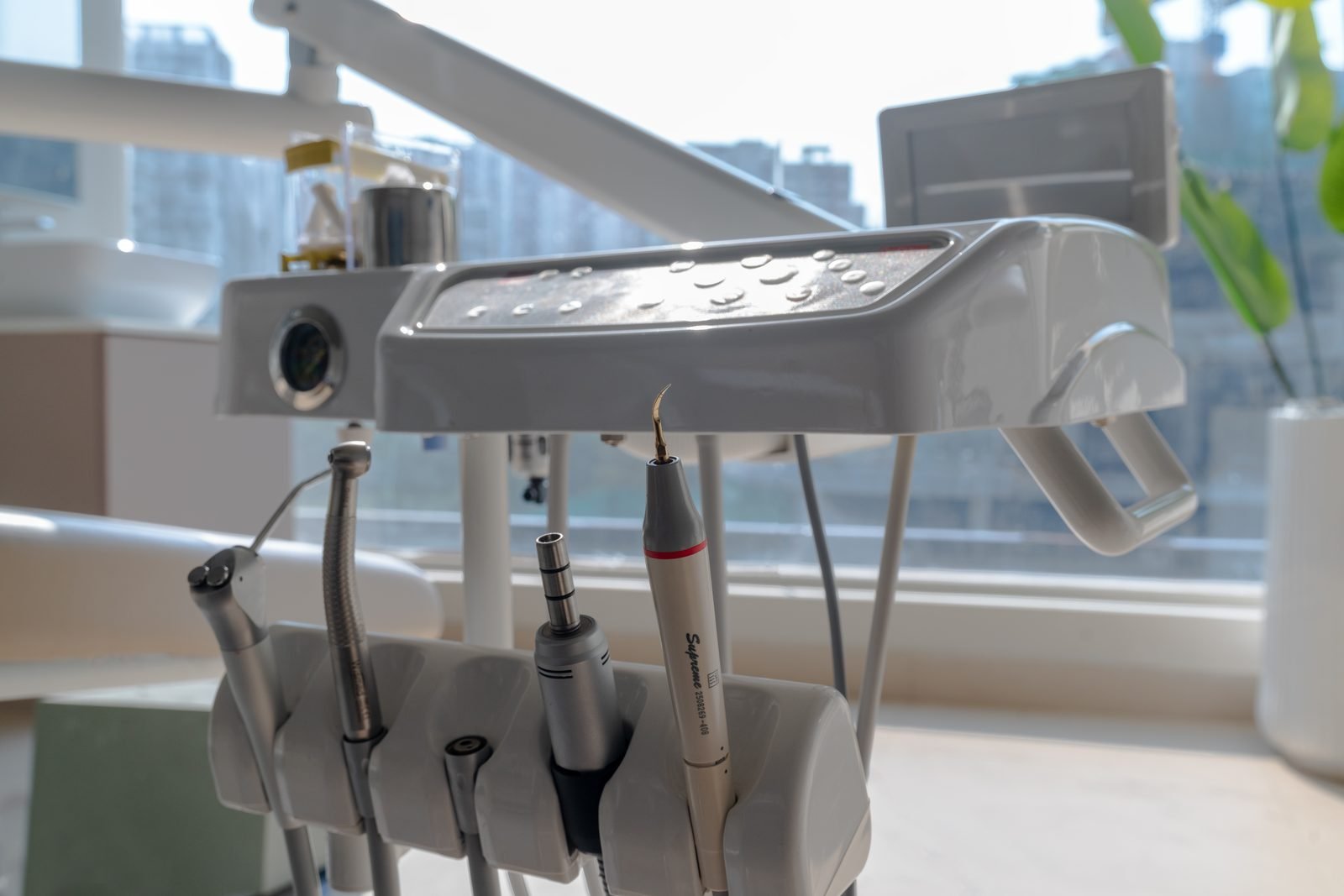
Scaling & Root Planing (Deep Cleaning)
Scaling and root planing often referred to as deep cleaning is a non-surgical periodontal treatment used to manage and control gum disease.
Over time, plaque and hardened deposits (tartar) can accumulate below the gumline, allowing bacteria to irritate the gums and damage the supporting bone. Regular cleaning cannot reach these deeper areas.
Scaling removes plaque, tartar, and bacteria from the tooth surfaces and beneath the gums. Root planing smoothens the root surfaces, helping the gums reattach to the teeth and making it harder for bacteria to build up again.
The procedure is usually performed under local anaesthesia to ensure comfort. By reducing inflammation and infection, scaling and root planing helps control gum bleeding, slow bone loss, and restore gum health.
Mild sensitivity or tenderness may occur after treatment, but this is temporary. With proper oral hygiene and regular follow-up visits, deep cleaning plays an important role in maintaining long-term periodontal health.
Talk to UsFAQ's
Regular cleaning focuses on the visible surfaces of the teeth above the gumline.
Scaling and root planing targets deeper areas below the gums, where bacteria responsible for gum disease accumulate.
It is recommended for patients with:
- Gum bleeding or swelling
- Deep gum pockets
- Tartar buildup below the gumline
- Early to moderate gum disease
Your dentist will assess your gums and advise if deep cleaning is required.
The procedure is usually done under local anaesthesia, so it is comfortable.
Some mild soreness or sensitivity may occur afterwards, which settles within a few days.
Depending on the severity of gum disease, treatment may be completed in one or multiple appointments. Each session usually lasts 30–60 minutes.
You may experience:
- Mild gum tenderness
- Temporary tooth sensitivity
- Slight gum bleeding
These effects are temporary and improve as healing occurs.
Initial healing usually occurs within 1–2 weeks.
Improvement in gum health continues over time with proper oral care and follow-up visits.
Deep cleaning helps control and stabilise gum disease, especially in its early stages.
Long-term success depends on good oral hygiene, lifestyle habits, and regular dental checkups.
- Brush twice daily with proper technique
- Floss or use interdental cleaners regularly
- Attend recommended follow-up appointments
- Avoid smoking and maintain a balanced diet
Most patients need scaling and root planing only once, followed by maintenance cleanings.
Some patients with ongoing gum issues may require periodic periodontal maintenance.
Flap Surgery (Gum Surgery)
Flap surgery is a periodontal procedure used to treat advanced gum disease when non-surgical treatments such as deep cleaning are no longer sufficient.
In this procedure, the gums are gently lifted away from the teeth to allow direct access to the tooth roots and the supporting bone. This enables thorough removal of deep-seated plaque, tartar, and bacteria that cannot be cleaned otherwise. Once the area is cleaned, the gums are repositioned and secured back in place to support proper healing.
The primary aim of flap surgery is to reduce gum pocket depth, control infection, and preserve the bone and structures that support the teeth. In cases where bone loss has occurred, the procedure may be combined with regenerative treatments or bone grafting to improve stability.
With appropriate care and follow-up, flap surgery helps restore gum health, slow disease progression, and support long-term oral health.
Talk to Us
FAQ's
Flap surgery is advised when:
- Gum pockets are deep and infected
- Gum disease does not respond to scaling and root planing
- There is ongoing bone loss around the teeth
Your dentist will assess your gum condition and recommend surgery only when necessary.
The procedure is performed under local anaesthesia, ensuring comfort during treatment.
Mild discomfort, swelling, or soreness may occur after surgery, which can be managed with prescribed medications.
Flap surgery usually takes 1–2 hours, depending on the number of teeth involved and the severity of the condition.
After surgery, you may experience:
- Mild swelling or tenderness
- Slight bleeding
- Temporary sensitivity
These symptoms gradually improve as healing progresses.
Initial healing occurs within 3-7 days, while complete healing may take a few weeks.
Regular follow-up visits are important to monitor recovery.
Yes. Sutures are typically used to secure the gums in place. These may dissolve on their own or be removed during a follow-up visit.
Flap surgery helps control and stabilise advanced gum disease, but long-term success depends on:
- Good oral hygiene
- Regular professional cleanings
- Lifestyle habits such as avoiding smoking
Yes. When needed, flap surgery may be combined with bone grafting or regenerative procedures to improve support for the teeth.
- Brush and clean as advised by your dentist
- Attend follow-up and maintenance visits
- Maintain consistent oral hygiene at home
Crown Lengthening
Crown lengthening is a dental procedure that reshapes the gum tissue and, when necessary, the supporting bone to expose more of a tooth’s natural surface.
This procedure is commonly recommended when a tooth needs a restoration—such as a crown or filling—but there isn’t enough visible tooth structure above the gumline to allow a secure, long-lasting fit. By exposing more of the tooth, crown lengthening helps restorations function properly and remain stable over time.
Crown lengthening may also be performed for aesthetic reasons, such as improving a smile where excess gum tissue makes the teeth appear short or uneven.
The procedure is usually carried out under local anaesthesia and may involve one or multiple teeth, depending on the treatment goal. After reshaping, the gums are repositioned and allowed to heal before final restorations are placed.
Crown lengthening improves both oral health and smile balance, ensuring durable restorations and more natural tooth proportions.
FAQ's
Crown lengthening may be recommended when:
- A tooth is broken or decayed below the gumline
- There isn’t enough tooth structure to support a crown or filling
- A restoration needs better long-term stability
- Excess gum tissue affects smile aesthetics
It can be both.
Some patients need it for functional reasons to support restorations, while others choose it to improve the appearance of a gummy or uneven smile.
Crown lengthening is performed under local anaesthesia, making it comfortable during treatment.
Mild soreness or swelling may occur afterwards and usually resolves within a few days.
The procedure typically takes 30–90 minutes, depending on the number of teeth involved and the extent of reshaping required.
Yes—in a positive way.
By improving tooth exposure and proportions, crown lengthening can enhance both function and appearance while supporting long-lasting dental work.
Not always.
In some cases, only gum tissue needs adjustment. Bone reshaping is done only when necessary for proper restoration support.
- Follow post-procedure care instructions
- Maintain good oral hygiene
- Attend follow-up visits as advised
- Avoid irritating the area during healing
Soft Tissue Grafting (Gum Graft)
Soft tissue grafting, commonly known as a gum graft, is a periodontal procedure used to treat gum recession and protect exposed tooth roots.
When gums recede, the roots of the teeth become exposed, which can lead to sensitivity, increased risk of decay, and further gum and bone loss. A gum graft involves placing a small amount of healthy tissue either from the roof of the mouth or a suitable donor source onto the affected area to restore coverage and strengthen the gumline.
As the graft heals, it integrates naturally with the surrounding gum tissue, improving protection, stability, and overall gum health. Soft tissue grafting can also help reinforce thin or fragile gums, reducing the risk of future recession.
This procedure supports both function and appearance, helping maintain healthy tooth support and a balanced smile.
Talk to Us
FAQ's
Gum grafting may be advised when:
- Gums have receded, exposing tooth roots
- Teeth are sensitive to hot, cold, or touch
- Gum tissue is thin or fragile
- There is a risk of further gum and bone loss
The graft may be taken from:
- The roof of your mouth
- Another area of your mouth
- A donor tissue source
Your dentist will recommend the most suitable option for your case.
The procedure is performed under local anaesthesia, making it comfortable.
After treatment, mild soreness or tenderness may occur, which usually settles within a few days.
Gum grafting typically takes 45–90 minutes, depending on the number of teeth involved and the type of graft used.
After treatment, you may notice:
- Mild swelling or discomfort
- Temporary sensitivity
- Slight gum tenderness
These symptoms are temporary and improve as healing progresses.
Initial healing usually occurs within 1–2 weeks.
Complete integration of the graft takes place over several weeks.
Yes. Once healed, the graft blends naturally with your existing gum tissue, creating a healthy and seamless appearance.
While grafting restores gum coverage, maintaining results depends on:
- Good oral hygiene
- Regular dental visits
- Avoiding aggressive brushing
- Managing habits such as smoking
- Follow post-procedure care instructions carefully
- Use prescribed rinses or medications if advised
- Avoid disturbing the graft area during healing
- Attend follow-up appointments as scheduled

Bone Grafting
Bone grafting is a dental procedure used to restore or rebuild lost jawbone, most commonly in areas affected by tooth loss, gum disease, trauma, or infection.
When a tooth is lost or gum disease progresses, the supporting bone can gradually shrink. Bone grafting involves placing graft material into the affected area to stimulate the body’s natural bone regeneration process. Over time, the graft integrates with your existing bone, creating a stronger and healthier foundation.
Bone grafting is often recommended to:
- Preserve jawbone structure
- Before or during dental implant placement
- Support teeth affected by bone loss
- Prevent further facial and structural changes
- During sinus lift procedures in the upper jaw
The procedure is typically performed under local anaesthesia and planned carefully based on your individual needs. With proper healing and follow-up care, bone grafting helps restore stability, function, and long-term oral health.
FAQ's
Bone grafting may be recommended when:
- There is bone loss after tooth extraction
- Gum disease has damaged the supporting bone
- An area needs strengthening before dental implant placement
- Bone loss affects tooth stability or bite function
Bone grafts may be made from:
- Your own bone
- Donor bone material
- Synthetic or biocompatible bone substitutes
The type used depends on the location, amount of bone loss, and treatment goals.
The procedure is performed under local anaesthesia, making it comfortable during treatment.
Mild swelling or soreness may occur afterward and is usually manageable with prescribed medication.
How long does the bone grafting procedure take?
Bone grafting typically takes 30–90 minutes, depending on the size and complexity of the area being treated.
Initial healing occurs within 1–2 weeks, while complete bone integration may take several months, depending on the type of graft and the individual’s healing response.
Yes. Bone grafting is often performed:
- At the time of tooth extraction
- Along with gum surgery
- Before or during dental implant treatment
Bone grafting significantly improves the chances of successful implant placement by creating a stable foundation. Final outcomes also depend on healing, oral hygiene, and overall health.
After the procedure, you may notice:
- Mild swelling or discomfort
- Temporary tenderness at the site
These symptoms usually resolve as healing progresses.
- Follow post-procedure instructions carefully
- Maintain gentle oral hygiene
- Avoid disturbing the graft site
- Attend all follow-up appointments
Laser gum treatment
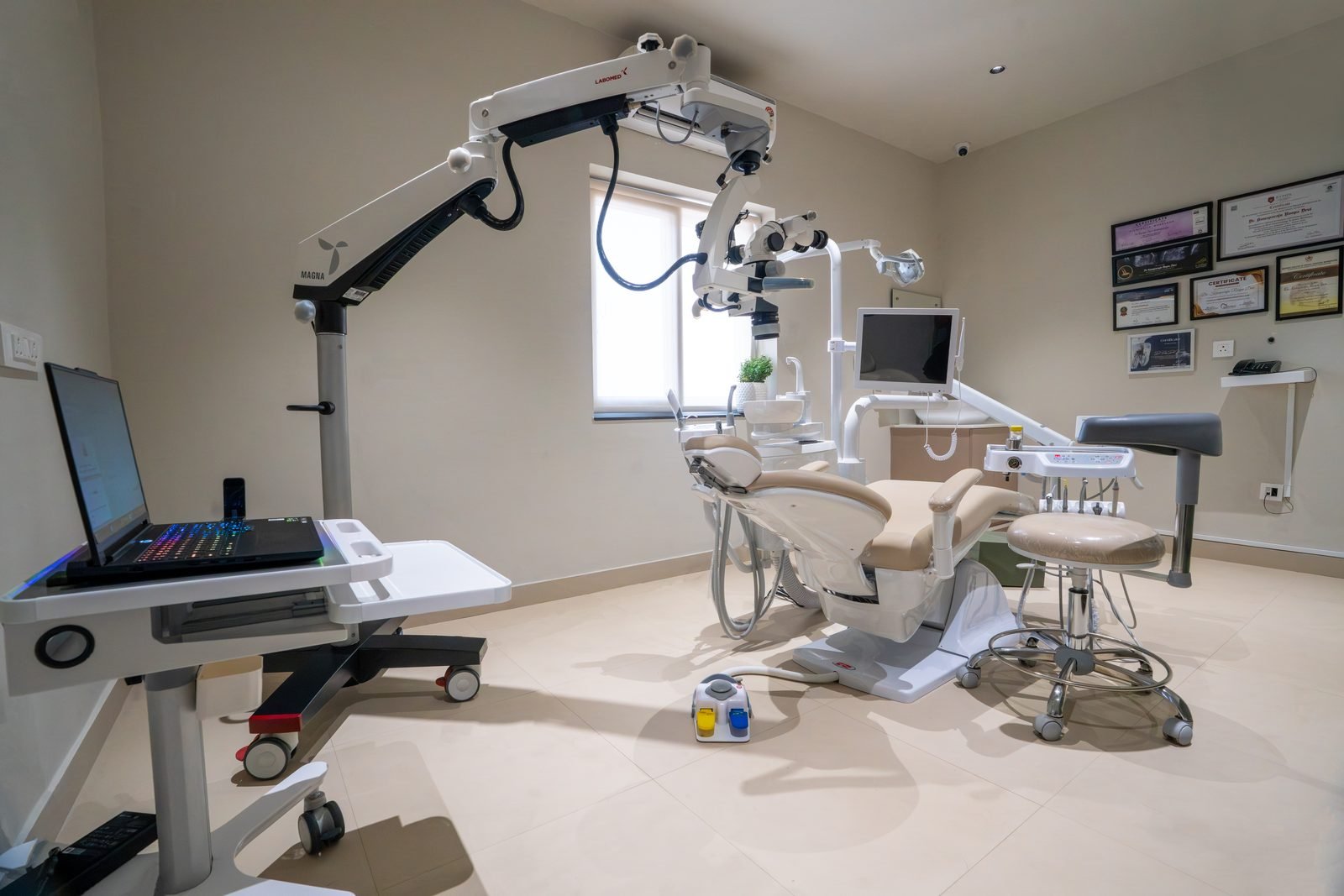
Laser gum treatment is an advanced periodontal therapy used to manage and control gum disease with precision, comfort, and minimal tissue trauma.
In gum disease, harmful bacteria accumulate deep below the gumline, leading to inflammation, bleeding, and gradual bone loss. Dental lasers use controlled light energy to remove infected gum tissue and disinfect periodontal pockets. The laser energy is bactericidal, meaning it actively destroys disease-causing bacteria rather than simply removing them mechanically.
By selectively targeting infected areas while preserving healthy gum tissue, laser treatment helps reduce bleeding, swelling, and post-procedure discomfort. It is a minimally invasive option that supports faster healing and improved periodontal stability.
Laser gum therapy is often used alongside deep cleaning or as part of a comprehensive periodontal treatment plan to achieve long-term gum health.
Benefits of Laser Gum Treatment
- Bactericidal action that reduces harmful periodontal bacteria
- Precise removal of infected gum tissue
- Reduced bleeding and inflammation
- Minimal discomfort during and after treatment
- Faster healing compared to conventional surgery
- Preservation of healthy surrounding tissue
- Improved disinfection of deep gum pockets
FAQ's
Gum disease is caused by bacteria that live deep below the gumline. When these bacteria are not completely eliminated, they continue to damage the gums and supporting bone—even if pain is not present.
Laser treatment helps target and destroy these bacteria and creates a healthier environment for the gums to heal.
Deep cleaning removes plaque and tartar mechanically.
Laser treatment adds a bactericidal effect, meaning it actively kills harmful bacteria and disinfects deep gum pockets. When used together, the results are more effective and longer-lasting.
Yes. Bleeding gums and persistent bad breath are common signs of active gum infection. By reducing bacterial load and inflammation, laser gum treatment often leads to:
- Less bleeding
- Healthier gum colour
- Fresher breath
Yes. Dental lasers are safe, well-researched, and widely used in periodontal care.
They are designed to selectively treat infected tissue while protecting healthy gums and bone.
Yes. Laser gum treatment is considered safe for pregnant patients when clinically indicated.
Because it is minimally invasive and does not involve medications or radiation, it can be a suitable option for managing pregnancy-related gum inflammation. Treatment is always planned carefully with patient comfort and safety in mind.
Most patients experience little to no discomfort. Local anaesthesia may be used if required.
After treatment, mild tenderness or sensitivity may occur but usually settles quickly.
Many patients notice:
- Reduced bleeding within a few days
- Healthier, firmer gums over the next few weeks
- Less gum swelling and discomfort
Healing continues gradually as the gums reattach and inflammation reduces.
Laser treatment helps control gum disease, but results last only if bacteria are kept under control. Long-term success depends on:
- Good daily oral hygiene
- Regular periodontal maintenance visits
- Avoiding smoking and other risk factors
In many mild to moderate cases, laser therapy can delay or reduce the need for surgical gum procedures.
However, advanced gum disease with significant bone loss may still require surgery.
This depends on:
- Severity of gum disease
- Number of affected areas
- Response to initial treatment
Your dentist will personalise the treatment plan for you.
Patients who get the best results:
- Brush and floss as advised
- Attend scheduled maintenance visits
- Follow post-treatment instructions
- Address lifestyle factors like smoking
Not always. Some advanced cases require surgical intervention.
A thorough periodontal evaluation is essential to decide whether laser treatment is appropriate for you.
Guided Tissue Regeneration
Guided tissue regeneration (GTR) is an advanced periodontal procedure designed to repair bone and gum tissue lost due to severe gum disease.
When periodontal disease destroys the supporting bone around teeth, natural healing can be unpredictable. During GTR, the infected area is thoroughly cleaned, and a biocompatible barrier membrane is placed between the gum tissue and the underlying bone. This membrane prevents the gums from growing into the bone space too quickly, allowing new bone and connective tissue to regenerate in the correct position.
GTR helps restore the foundation that supports the teeth, improving stability and reducing the risk of tooth loss. In certain cases, it may be combined with bone grafting or regenerative materials to enhance healing and outcomes. With proper care and follow-up, guided tissue regeneration supports long-term gum health and strengthens the natural structures of the mouth.
FAQ's
GTR is recommended when gum disease has caused bone loss around the teeth. Without regeneration, this bone loss can progress and eventually lead to tooth mobility or tooth loss.
The barrier membrane:
- Blocks fast-growing gum tissue
- Creates space for slower-growing bone and ligament tissue
- Guides natural healing in the correct order
This allows the body to rebuild lost support around the tooth.
Yes. GTR is often performed to preserve natural teeth that might otherwise require extraction due to advanced periodontal damage.
The procedure is performed under local anaesthesia. Post-operative discomfort is usually mild and manageable with prescribed medications.
Initial healing occurs over 2–3 weeks, while bone regeneration continues over several months. Your dentist will monitor healing during follow-up visits.
In some cases, yes. Bone grafts or regenerative materials may be used alongside the membrane to improve bone regeneration, depending on the extent of bone loss.
Some membranes dissolve naturally over time, while others may need to be removed during a follow-up procedure. Your dentist will choose the appropriate type for your case.
You may experience:
- Mild swelling or tenderness
- Temporary restrictions on chewing in the treated area
Detailed post-treatment care instructions will be provided to support healing.
Success depends on:
- Severity of bone loss
- Oral hygiene practices
- Smoking status
- Regular periodontal maintenance
When combined with good care, GTR has a high success rate.
Yes, if oral hygiene and maintenance are neglected. GTR restores lost tissue, but ongoing care is essential to protect the results.
Yes. GTR can help rebuild bone and soft tissue, creating a healthier foundation for future restorative treatments, including dental implants.
Maintenance therapy
Maintenance therapy is a critical phase of care that follows active periodontal treatments such as scaling and root planing, laser therapy, gum surgery, or regenerative procedures. Its primary goal is to prevent the recurrence of gum disease and protect the results of previous treatment.
During maintenance visits, the dentist or hygienist performs targeted professional cleaning, removes plaque and tartar from areas that are difficult to maintain at home, and closely monitors gum health, pocket depths, and bone support. These visits also allow early detection of inflammation or infection—often before symptoms become noticeable.
Maintenance appointments are usually scheduled at individualised intervals such as 1, 3, 6, or 9 months, depending on the severity of gum disease, healing response, and overall risk factors. Consistent maintenance plays a vital role in preserving natural teeth, supporting dental implants, and maintaining long-term oral health.
Why Maintenance Therapy Is Important
- Prevents return and progression of gum disease
- Protects the results of periodontal treatments
- Reduces risk of tooth and bone loss
- Maintains the health of implants and restorations
- Detects problems early, before they become advanced
- Supports long-term oral stability and comfort
FAQ's
Gum disease is a chronic condition. Even after successful treatment, bacteria can recolonise beneath the gums. Maintenance therapy helps control bacterial levels and prevent disease recurrence.
Each visit typically includes:
- Review of medical and dental history
- Assessment of gum health and pocket depths
- Professional cleaning of teeth and roots
- Removal of plaque and tartar below the gumline
- Reinforcement of oral hygiene techniques
Patients with a history of gum disease require closer monitoring than routine dental cleanings. The recall interval is customised based on:
- Severity of previous gum disease
- Healing response
- Smoking or medical risk factors
- Oral hygiene effectiveness
More frequent visits help maintain stability and prevent relapse.
Most patients find maintenance visits comfortable. Mild sensitivity may occur in certain areas, but this is usually minimal and temporary.
No. Periodontal maintenance is more detailed and targeted than routine dental cleaning. It focuses on previously diseased areas and deeper gum pockets.
Appointments usually last 30–60 minutes, depending on the extent of care required.
Yes, if maintenance visits or home care are missed. However, consistent maintenance greatly reduces the risk of disease progression and tooth loss.
Patients with a history of periodontal disease benefit from long-term maintenance to keep gums healthy and stable.
Yes. Maintenance therapy is essential for preventing peri-implant disease and ensuring the long-term success of dental implants.
- Brush and floss as advised
- Use prescribed oral hygiene aids
- Avoid smoking
- Attend scheduled maintenance appointments
Reviews
My mother had her tooth extraction done here, and the experience was very smooth. The doctors were well experienced and handled the procedure with great care and patience. She felt comfortable throughout. The treatment was affordable and truly worth visiting.
G.BWant to embrace a confident new look?
Consult a smile design specialist today to learn how this transformative treatment can benefit you!